Jun
26

Bouncing Back From the Flu Part 1

Heart attacks are strongly associated with influenza and head colds. In this post we explore how to bounce back from the flu thoughfully and wisely without unduly taxing the cardiovascular system.

It is now early winter. It is a month of short days, frosts and cold windy weather. Head colds and the flu are increasingly common.

What does winter mean for human health? It is a combination of extremes: colds and flu, and inflammatory reactions. The risk of a heart attack dramatically increases if one develops influenza or a bad head cold. No surprise then that July is also the peak month of heart attacks in Australia.

Avoiding viral illness

A stressed immune system is likely to fall asleep at the wheel and then ironically overreact once the damage is done. Prolonged exposure to cold, poor diet, lack of sleep, working too hard, or dealing with unpleasant, stressful surprises are not going to help.

The impacts of influenza and viral colds

Like most viruses that cause colds, influenza infects the airways; however, the symptoms extend beyond the airways and affect the whole body.

There is a sudden onset of severe fever and chills. Severe fatigue is followed by muscle and joint soreness and aches. Sometimes, poor appetite, loose stools, and nausea and vomiting will develop. Unlike common colds, the human body takes many days to recover, and sometimes good health doesn’t return for over a month.

Reducing the risk of a heart attack

The body’s response to influenza is one of survival. That means that killing the virus and healing the damaged airways becomes the priority. Other body systems can become compromised.

After a bout of flu, the best thing to do is take it easy. For the next week or two, avoid strenuous exercise and working hard.

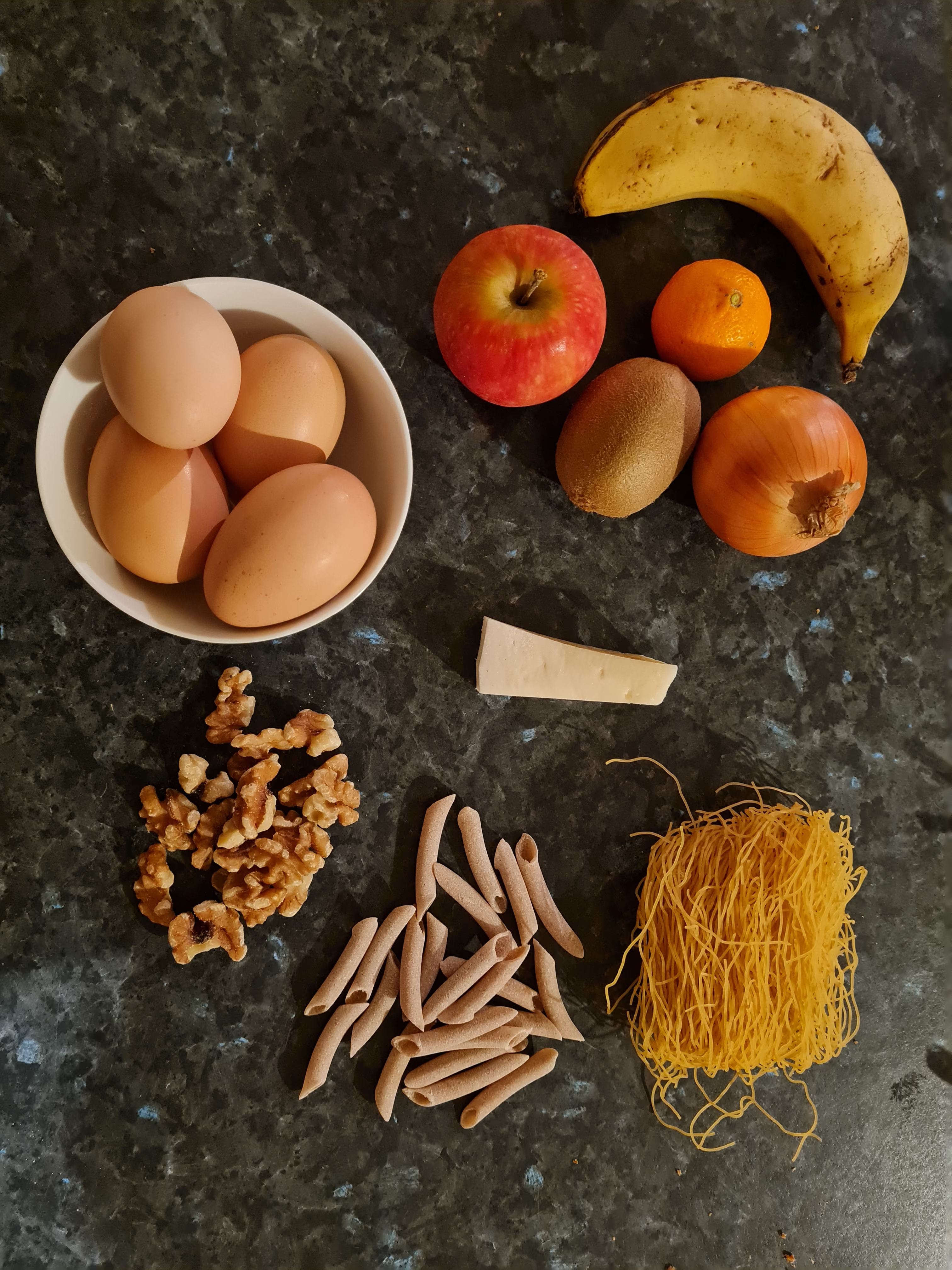
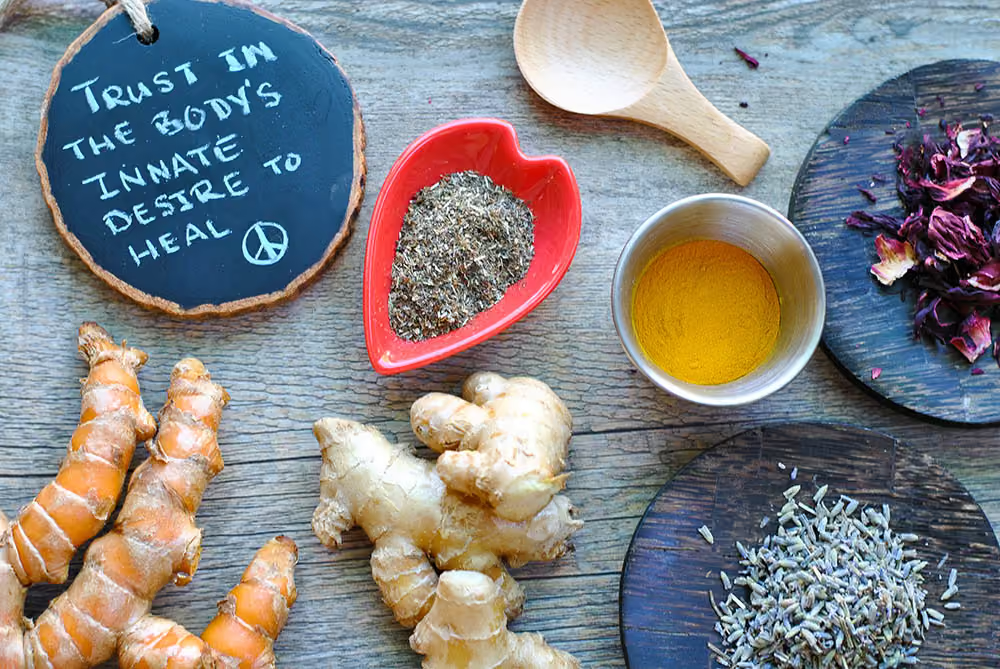
Rest well, and focus on eating things that are easy to assimilate and nourishing. This is the time to eat soups, broths and slow-cooked meals. Adding a bit of ginger, chilli, cloves, cinnamon, fenugreek, or thyme can help reduce inflammation in the body and congestion in the lungs and sinuses, as well as the risk of secondary infection.

How can the clinic assist?

Natural treatments such as herbs and nutrients are used to facilitate recovery and manage symptoms that interfere with rest and recovery, including poor sleep, excessive fevers, pain, and congestion.

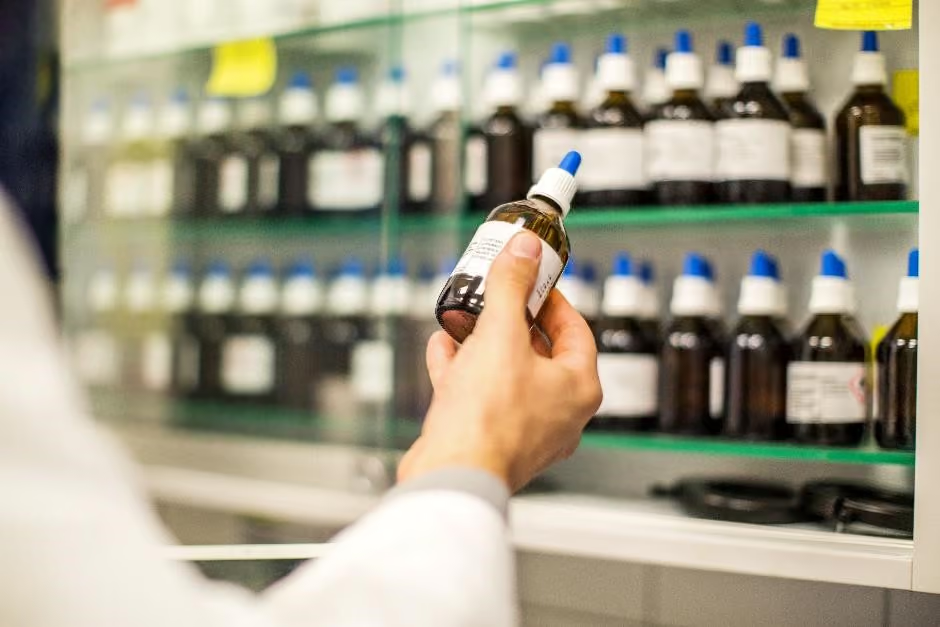
Once the first 48 to 72 hours are over, homeopathic remedies become increasingly useful for clearing residual symptoms that persist, such as fatigue, coughs, fevers, and mucus accumulation, and for reducing the need for antibiotics.

If there are concerns about cardiovascular health then herbs such as Schisandra, Bilberry and Japanese Knotweed along with medicinal mushrooms are a great way to reduce inflammation and support the heart and blood vessels.

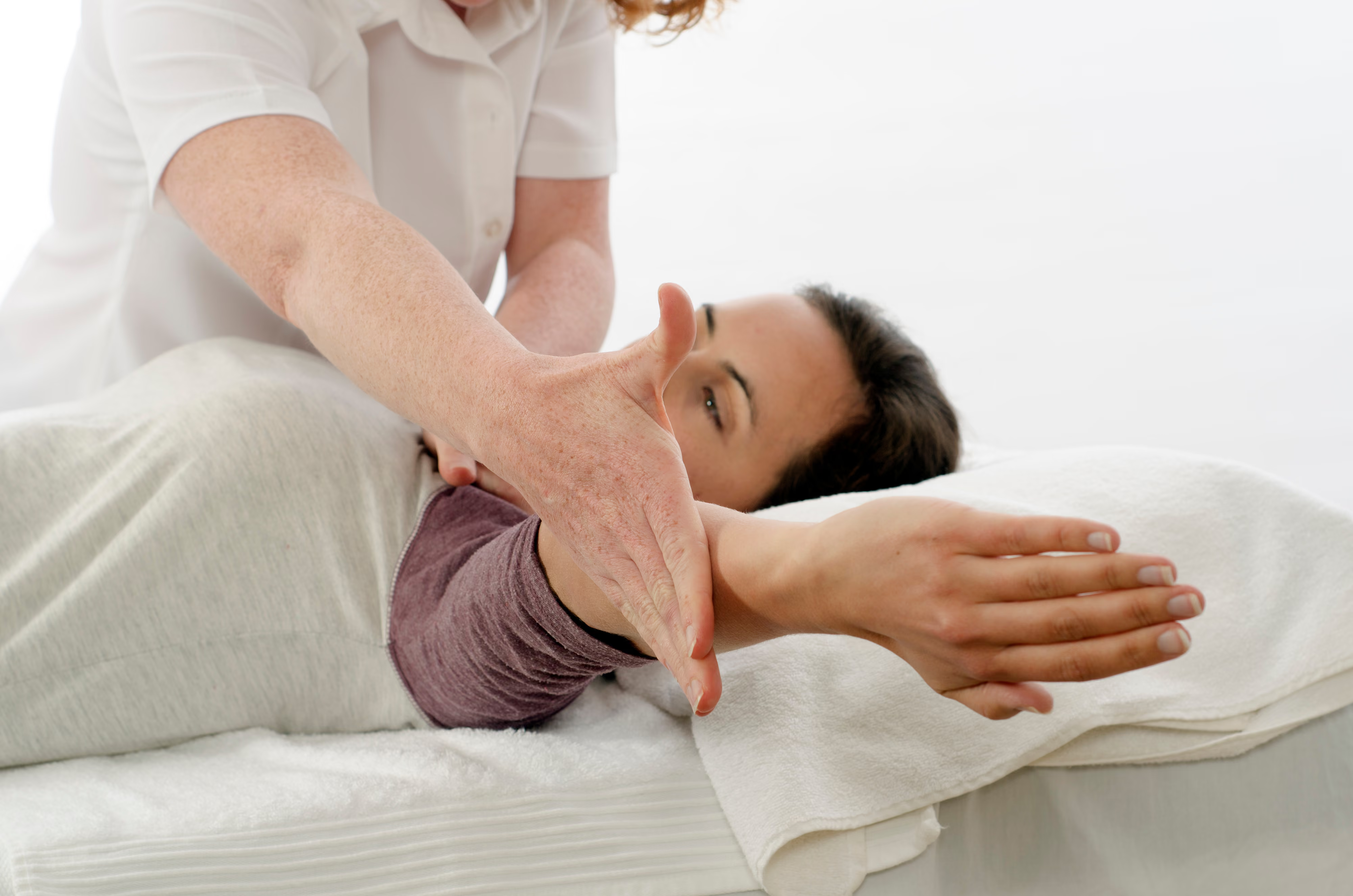
The clinic offers acute 20-minute sessions for those who are not coping well with cough and cold symptoms, or who are not recovering in a timely manner. During the session, the practitioner will include a physical check to ensure you do not have signs of an infection or any condition that might require urgent medical attention.

The session costs $70 and includes a 5-day supply of herbs and a homeopathic remedy to support your recovery.


Heart attacks are strongly associated with influenza and head colds. In this post we explore how to bounce back from the flu thoughfully and wisely without unduly taxing the cardiovascular system.

It is now early winter. It is a month of short days, frosts and cold windy weather. Head colds and the flu are increasingly common.

What does winter mean for human health? It is a combination of extremes: colds and flu, and inflammatory reactions. The risk of a heart attack dramatically increases if one develops influenza or a bad head cold. No surprise then that July is also the peak month of heart attacks in Australia.

Avoiding viral illness

A stressed immune system is likely to fall asleep at the wheel and then ironically overreact once the damage is done. Prolonged exposure to cold, poor diet, lack of sleep, working too hard, or dealing with unpleasant, stressful surprises are not going to help.

The impacts of influenza and viral colds

Like most viruses that cause colds, influenza infects the airways; however, the symptoms extend beyond the airways and affect the whole body.

There is a sudden onset of severe fever and chills. Severe fatigue is followed by muscle and joint soreness and aches. Sometimes, poor appetite, loose stools, and nausea and vomiting will develop. Unlike common colds, the human body takes many days to recover, and sometimes good health doesn’t return for over a month.

Reducing the risk of a heart attack

The body’s response to influenza is one of survival. That means that killing the virus and healing the damaged airways becomes the priority. Other body systems can become compromised.

After a bout of flu, the best thing to do is take it easy. For the next week or two, avoid strenuous exercise and working hard.

Rest well, and focus on eating things that are easy to assimilate and nourishing. This is the time to eat soups, broths and slow-cooked meals. Adding a bit of ginger, chilli, cloves, cinnamon, fenugreek, or thyme can help reduce inflammation in the body and congestion in the lungs and sinuses, as well as the risk of secondary infection.

How can the clinic assist?

Natural treatments such as herbs and nutrients are used to facilitate recovery and manage symptoms that interfere with rest and recovery, including poor sleep, excessive fevers, pain, and congestion.

Once the first 48 to 72 hours are over, homeopathic remedies become increasingly useful for clearing residual symptoms that persist, such as fatigue, coughs, fevers, and mucus accumulation, and for reducing the need for antibiotics.

If there are concerns about cardiovascular health then herbs such as Schisandra, Bilberry and Japanese Knotweed along with medicinal mushrooms are a great way to reduce inflammation and support the heart and blood vessels.

The clinic offers acute 20-minute sessions for those who are not coping well with cough and cold symptoms, or who are not recovering in a timely manner. During the session, the practitioner will include a physical check to ensure you do not have signs of an infection or any condition that might require urgent medical attention.

The session costs $70 and includes a 5-day supply of herbs and a homeopathic remedy to support your recovery.

Contact Address

Armidale Naturopathic and Holistic Healing
XX Your Business Address,
NSW 0000